

Garage Door Spring Replacement Demystified: Torsion vs. Extension
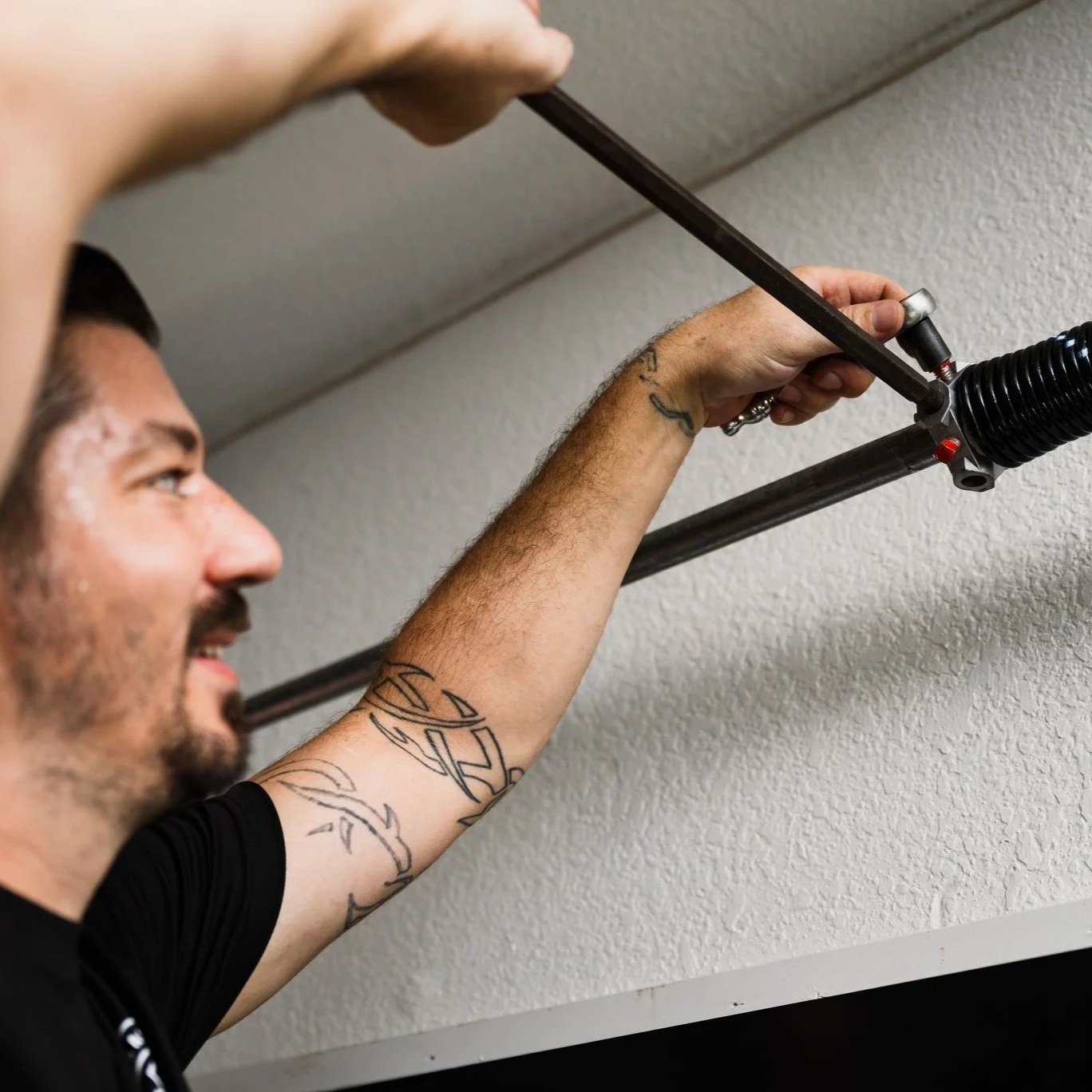
When a spring fails, everything changes—doors slam shut, openers strain, and the simple act of leaving the house becomes a struggle.
Garage doors are powered by more than just motors and openers. The real muscle lies in the springs, which counterbalance the door's massive weight and allow it to move with surprising ease. When a spring fails, everything changes—doors slam shut, openers strain, and the simple act of leaving the house becomes a struggle. Professional garage door spring replacement (torsion/extension) services address these hidden heroes of the system, restoring safety and functionality while eliminating the mystery behind their design.
Why Springs Are Essential
Springs carry the heavy load that motors alone cannot manage. Without them, even the strongest opener would burn out trying to lift hundreds of pounds of steel or wood. They store and release energy with every cycle, making the garage door feel nearly weightless when balanced correctly. A worn or broken spring leaves the door sluggish, uneven, or stuck entirely. Professionals explain that maintaining these springs is not just about convenience—it is about keeping the system safe for everyday use.
Understanding Torsion Springs
Torsion springs are mounted horizontally above the garage door. They work by twisting tightly as the door closes, then unwinding as it opens. This coiled tension provides steady lifting power and smooth operation. Because they distribute weight evenly across the system, torsion springs tend to last longer and cause less wear on tracks and rollers. They also provide a more precise balance, which reduces the jerky movements often associated with aging doors. Professionals often recommend torsion springs during garage door spring replacement for households seeking durability and quieter operation.
Understanding Extension Springs
Extension springs mount horizontally above the tracks on each side of the door, stretching as the door closes and contracting as it opens. They have been around longer than torsion systems and remain common on older doors. While they do their job well, extension springs can be noisier and less consistent, especially when one side stretches more than the other. Professionals frequently upgrade homes from extension springs to torsion systems during replacement, providing better balance and fewer long-term issues.
Durability And Lifespan
The biggest difference between torsion and extension springs lies in their lifespan. A torsion spring often holds up for 15,000 to 20,000 cycles, while an extension spring usually delivers closer to 10,000. For households that use the garage door multiple times daily, the difference can mean several extra years of reliable operation. Professionals emphasize lifespan as one of the main factors in deciding which spring system makes the most sense during replacement. Upgrading early often prevents the inconvenience of repeated service calls.
Safety Concerns To Keep In Mind
Both torsion and extension springs store enough energy to be dangerous if they fail or are mishandled. Extension springs, in particular, can snap and release force unpredictably, which is why they are paired with safety cables. Torsion springs are generally safer but can still cause injury if unwound incorrectly. Professional garage door spring replacement (torsion/extension) eliminates these risks, as technicians bring both training and specialized tools to safely manage high-tension systems.
Warning Signs That A Spring Needs Replacement
A garage door that suddenly feels heavier than usual is one of the most obvious signs of spring failure. Other clues include the door opening unevenly, slamming shut unexpectedly, or refusing to stay in place when lifted halfway. Loud snapping sounds often accompany a broken spring, while grinding noises may point to springs nearing the end of their lifespan. Sometimes you will notice the opener straining or lights flickering as the motor struggles to do the spring's job. Professionals encourage homeowners to call for help immediately when these symptoms appear, as a failing spring can pose safety hazards if left unchecked.
How Professionals Handle Replacement
Spring replacement is precise work. Professionals begin by selecting the correct spring type and size to match the weight and dimensions of the specific garage door. Torsion springs must be wound to exact specifications, while extension springs require careful tensioning with safety cables installed. Once the new springs are in place, technicians test the balance, movement, and alignment to confirm that the entire system functions as intended. The result is a door that operates smoothly, quietly, and safely. Professional service also includes inspecting cables, rollers, and bearings for hidden wear that might have been caused by failing springs.
Upgrading From Extension To Torsion
Many households take the opportunity during spring replacement to upgrade to torsion springs. The advantages are clear: longer lifespan, quieter operation, and better weight distribution across the system. Upgrading requires installing a torsion bar above the door, but professionals handle the process efficiently. For homeowners planning to stay in their property long-term, this upgrade reduces the need for frequent replacements and provides greater peace of mind. Families who spend a lot of time using the garage as a primary entry point find torsion systems especially valuable.
The Chain Reaction Of A Weak Spring
A weak spring does more than make the door heavy. It forces the opener to work harder, leading to premature motor failure. It can also throw the door off balance, causing rollers to wear unevenly or tracks to bend. The extra strain can even damage hinges or panels, leaving the entire system compromised. Professionals stress that the timely replacement of garage door springs (torsion/extension) prevents this domino effect of damage. By restoring spring strength, the entire system benefits from smoother, more reliable operation.
The Role Of Professional Maintenance
Replacing springs is one part of the bigger picture. During service, professionals also inspect cables, rollers, and bearings that work alongside the springs. They lubricate moving parts, tighten hardware, and confirm sensors and openers are calibrated correctly. This full-system approach means spring replacement not only solves immediate problems but also lengthens the lifespan of surrounding components. Preventive care reduces the chances of sudden breakdowns and keeps the system safe. For many families, adding spring inspections to annual maintenance is the simplest way to avoid emergencies.
Why DIY Is A Risky Choice
Some homeowners attempt spring replacement on their own, but the risks outweigh the savings. Without proper tools and training, releasing or winding spring tension can cause serious injury. Incorrect installation also leads to misbalanced doors that place strain on openers and tracks. In some cases, DIY attempts leave the door more dangerous than before. Professionals provide both the technical expertise and safety assurance needed to handle springs correctly. Relying on experts means the job is done right the first time, without trial-and-error mistakes.
Choosing The Right Option For Your Door
Every home is different, and so are its garage door needs. Some households benefit from keeping extension springs, especially if budget is the main concern. Others prefer upgrading to torsion springs for long-term durability and quieter operation. Professionals guide homeowners through these choices, explaining the pros and cons of each option. By matching the right spring system to the household's use and budget, they create solutions that balance cost with performance.
Investing In Reliability
Garage door spring replacement may sound like a technical detail, but it directly impacts safety, convenience, and system longevity. Torsion springs deliver smoother operation and a longer lifespan, while extension springs remain a reliable option when paired with professional service and safety cables. By trusting experts with spring replacement, homeowners secure a door system that works reliably day after day.
Springs may be hidden above or beside the door, but their role is anything but small. Understanding the difference between torsion and extension springs removes the mystery, and professional garage door spring replacement (torsion/extension) brings back the confidence that the door will open and close smoothly every time. Reliable springs mean a safer, quieter, and longer-lasting garage door system—making them one of the most important upgrades a homeowner can invest in.
The skilled team at Squared Away Garage Door Service offers emergency garage door repairs, garage door parts and upgrades, and garage door spring replacement across Central Texas. Licensed and insured, we ensure that your garage door is safe and operates smoothly. Our team can efficiently repair all types of residential and commercial garage doors. Call us now for a free estimate! We are available 24/7.
