

Is Your Garage Door Out of Balance? How to Spot the Signs
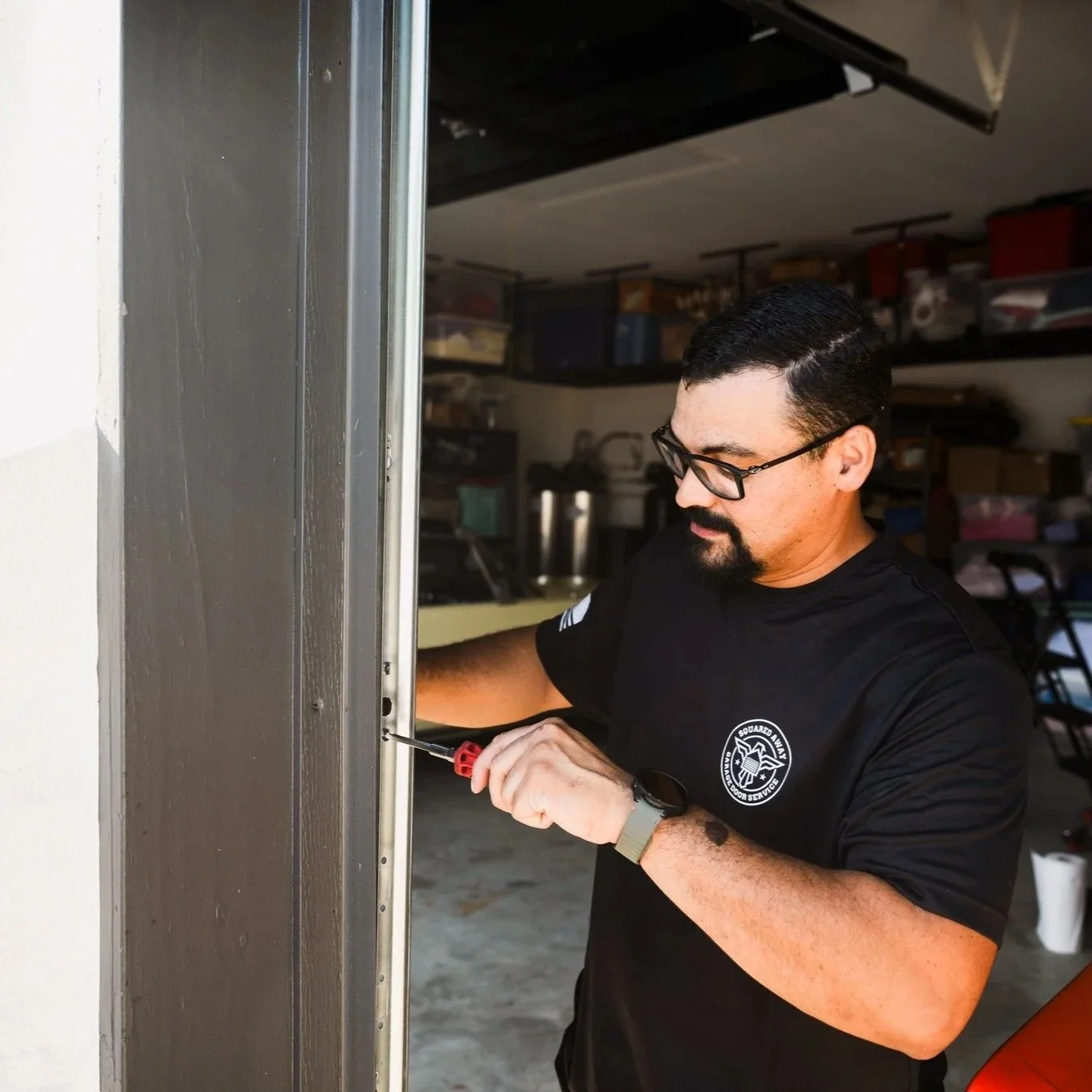
When the door is balanced correctly, it stays in place when partially open and responds predictably to commands.
A balanced garage door is the foundation for safe, smooth, and reliable operation. Balance refers to the even distribution of the door’s weight so that springs, cables, and the opener work together without excessive strain. When the door is balanced correctly, it stays in place when partially open, creeps, and responds predictably to commands. Without regular garage door balance testing, that harmony can disappear, leaving you with a door that feels heavy, moves awkwardly, and puts the entire system at risk.
How An Unbalanced Door Affects Safety
Safety should be the first concern when it comes to garage doors, and balance plays a huge role in that. A heavy, unevenly moving door can fall unexpectedly or close too quickly, posing a hazard to people, pets, and vehicles. Springs under too much tension are more likely to snap, which can lead to dangerous, uncontrolled movements. Professional garage door balance testing catches these risks before they become real threats, making your door safer for everyday use.
The Strain On Your Opener
An unbalanced garage door not only makes noise or moves awkwardly, but also takes a toll on the opener. When the weight is not distributed correctly, the opener’s motor has to work harder to lift and lower the door. That extra effort wears out gears, chains, and belts faster, shortening the life of the opener and potentially generating expensive repairs or replacements. A balanced door moves with minimal resistance, allowing the opener to perform its job without unnecessary strain.
Clear Signs Your Door May Be Unbalanced
Spotting a balance problem early can save you from bigger headaches later. A door that drifts downward after you manually lift it halfway is a classic warning sign. Uneven movement, where one side of the door rises or falls faster than the other, is another indicator. You might notice that the door slams shut instead of closing gently or struggles to open smoothly. Even a crooked appearance when the door is closed can point to balance issues.
The Role Of Springs In Balance
Springs are the marvels of garage door function. Torsion springs mounted above the door or extension springs running along the sides counteract the weight of the door, making it feel lighter to the opener. Over time, springs lose tension or wear unevenly, which disrupts the door’s balance. Garage door balance testing always includes a thorough inspection of the springs to identify wear and determine whether adjustments or replacements are needed.
Why Professional Testing Is Worth It
Testing and adjusting a garage door’s balance might look straightforward, but it involves working with components under high tension. A mistake during spring adjustments can cause serious injury or damage. Professional technicians have the right tools, experience, and safety practices to test the balance accurately and make precise corrections. They also know how to spot related issues, such as worn rollers or damaged cables, that can affect balance and performance.
The Testing Process Explained
During a professional garage door balance test, the technician disconnects the opener to move the door manually. The door is lifted to several points—midway, near the top, and closer to the bottom—to see whether it stays in place. A properly balanced door will not rise or fall on its own. If the door drifts, the springs are adjusted until balance is restored. The process is methodical and precise, focusing on minor adjustments that have a substantial impact on performance.
The Connection Between Balance And Longevity
A garage door that is out of balance wears out parts faster. Springs, cables, rollers, and even the panels themselves can suffer from uneven stress. Over time, that extra wear can lead to cracks, fraying, or complete component failure. By incorporating balance testing into regular maintenance, you can extend the lifespan of these parts, thereby reducing the frequency and cost of repairs.
Energy Efficiency And Weather Protection
Balance affects more than just movement. An unbalanced door may not close evenly against the floor or frame, leaving small gaps that let in drafts, dust, and pests. That makes it harder to control indoor temperatures, especially during extreme weather. Regular garage door balance testing helps the door maintain a tight seal, supporting energy efficiency and keeping your garage more comfortable year-round.
When To Schedule Balance Testing
Most homeowners benefit from annual garage door balance testing as part of a complete maintenance routine. However, more frequent checks are smart if the door is older, used heavily, or has had recent repairs. If you notice changes in how the door moves, it is worth calling for an inspection right away rather than waiting for the problem to worsen.
How Balance Testing Fits With Other Maintenance
Balance testing is most effective when paired with other professional maintenance tasks. Lubricating moving parts, tightening hardware, checking safety sensors, and cleaning tracks all contribute to smoother operation. Addressing the balance first allows the rest of the system to work as intended, since many other adjustments rely on the door moving evenly and predictably.
Common Misconceptions About Balance
Some homeowners assume that as long as the door opens and closes, it must be balanced. Unfortunately, a door can still operate while putting excessive strain on its components. Others think that balance problems are only caused by broken springs, but track misalignment, worn rollers, and frayed cables can all contribute. A professional balance test examines the system as a whole to identify the true source of the problem.
The Cost Of Neglecting Balance Issues
Ignoring a balance problem often leads to higher repair bills down the road. Springs may break prematurely, the opener can fail, and the door itself can warp or crack from uneven stress. In severe cases, a sudden failure can leave you with a door that cannot open, forcing an emergency repair. Investing in regular garage door balance testing is far more affordable than paying for major repairs or replacements.
The Local Factor In Austin’s Climate
Austin’s mix of heat, humidity, and occasional cold spells can affect garage door components. Springs expand and contract with temperature changes, which can gradually alter the door’s balance. Regular testing by a local professional accounts for these seasonal effects, keeping your door in optimal condition no matter the time of year.
Why A Balanced Door Feels Better
Beyond safety and longevity, a balanced door works better. It moves smoothly, makes less noise, and feels lighter whether operated manually or with the opener. That kind of performance makes daily routines more pleasant and eliminates the frustration of dealing with a door that resists movement or stops halfway.
The Long-Term Benefits Of Professional Testing
Garage door balance testing is not just about fixing current issues—it is about preventing future problems. A well-balanced door protects the investment you have made in your home, keeps daily life running smoothly, and avoids sudden breakdowns. With professional testing, you can trust that your garage door will operate safely, efficiently, and quietly for years to come.
Squared Away Garage Door Service has a strong reputation across Central Texas for providing reliable and efficient garage door services. From garage door installation, garage door replacement, and garage door opener installation and smart upgrades to garage door repairs and garage door maintenance and tune-ups, we offer various services to boost garage door functionality. Call today to book an appointment.
