

Loud Bang From the Garage? What It Usually Means
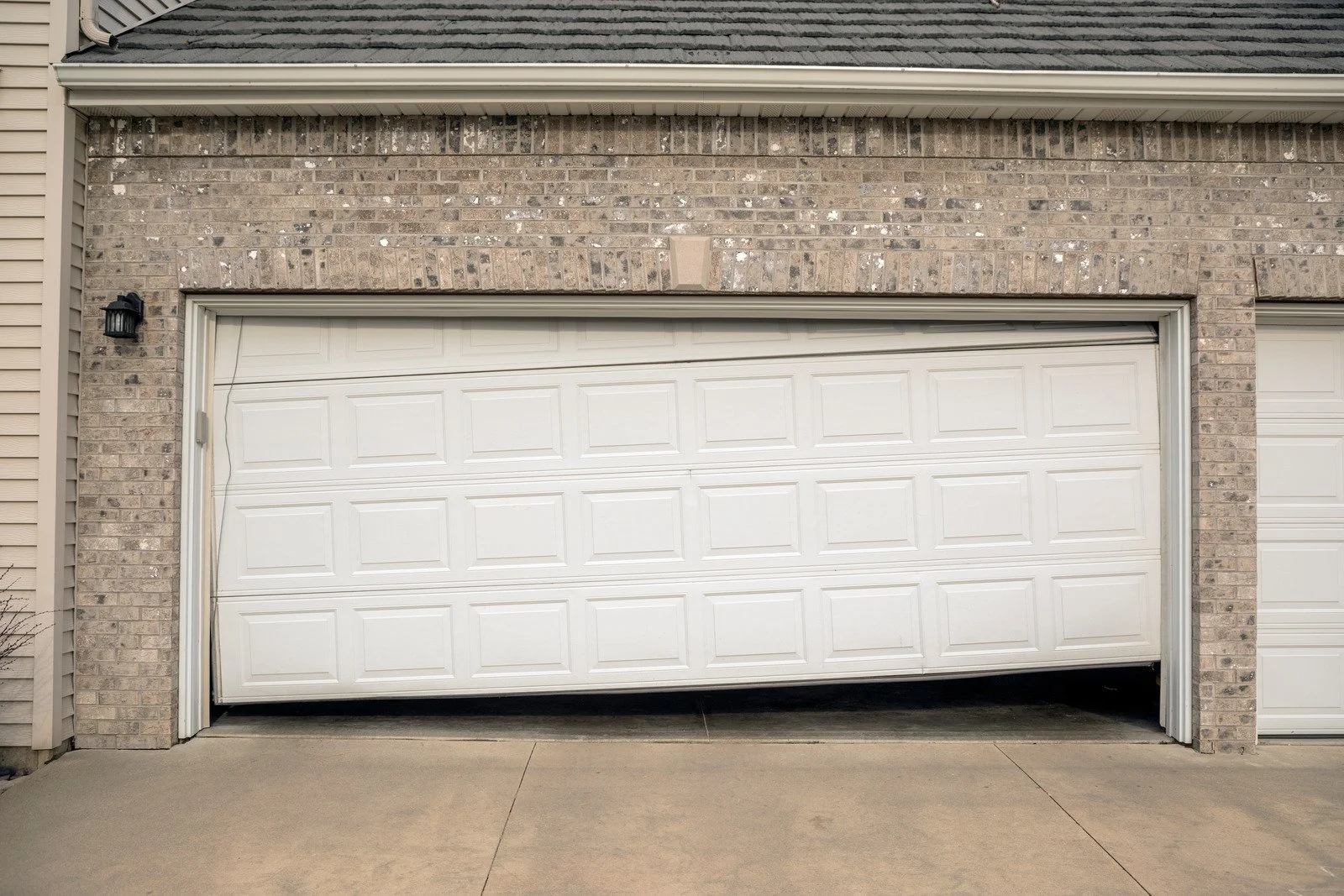
Quick Answer: A sudden, loud bang from the garage — often described as sounding like a gunshot — most commonly means a garage door spring has broken. The springs are under high tension to counterbalance the door's weight, and when one snaps it releases that energy with a sharp, loud noise. After the bang, the door usually becomes very heavy, may not open with the opener, and can be unsafe. Less often, a loud bang can come from a snapped cable or a part failing under tension. Whatever the source, don't force the door or try to repair the spring yourself — the tension involved makes it dangerous. This is a job for a trained technician.
A loud bang from the garage is startling — many people describe it as sounding like a gunshot or something heavy falling. When it comes from the garage door, there's usually a specific and important explanation, and it's one worth understanding because of the safety implications. Here's what that bang most likely means and what to do about it.
The Most Common Cause: A Broken Spring
By far the most common reason for a sudden loud bang from the garage is a broken garage door spring. The springs do the heavy work of counterbalancing the door's weight, and to do that, they're wound or stretched under significant tension. That stored energy is considerable, so when a spring breaks, it releases all of it at once — producing a sharp, loud bang that echoes through the garage. People are often surprised by how loud it is, precisely because of how much tension the spring was holding.
If you heard a loud bang and can't immediately find anything that fell, the garage door spring is the prime suspect, especially if the door now behaves differently.
How to Confirm It's the Spring
A broken spring usually leaves clear signs. The most telling is that the door suddenly becomes very heavy — the counterbalance is gone, so the door is now its full, heavy weight with nothing offsetting it. The opener may struggle, fail to lift the door, or move it only slightly before giving up. If you look at the springs, a broken torsion spring often shows a visible gap where the coil snapped. And if the bang happened while the door was operating, the door may have stopped or slammed.
| Sign after the bang | What it indicates |
|---|---|
| Door suddenly very heavy | Lost counterbalance from broken spring |
| Opener strains or won't lift door | Door too heavy for opener |
| Visible gap in torsion spring coil | Broken torsion spring |
| Door slammed or stopped mid-travel | Spring failed during operation |
| Loud bang with no fallen object found | Spring is the likely source |
Less Common Causes
While a broken spring is the usual answer, a loud bang can occasionally have other sources related to the door's high-tension components. A cable that snaps under tension can make a loud noise, as can other hardware failing suddenly. In all of these cases, the common thread is a component under tension, releasing it abruptly. The result is similar: a loud bang, often followed by the door not working properly or hanging unevenly. The specific cause is something a technician can identify on inspection, but the response is the same regardless of which tensioned part failed.
Why You Shouldn't Force the Door
After a bang and a suddenly heavy door, the natural instinct is to try to open it — to get the car out or just to see if it works. This is exactly what to avoid. A door that's lost its counterbalance is extremely heavy and no longer safe to operate normally. Forcing it open by hand or repeatedly running the opener against the dead weight can strain the opener, and a heavy door without its spring support can fall. The safest response is to stop using the door and keep people, pets, and vehicles clear until it's repaired.
A loud bang followed by a very heavy garage door means a spring or cable has likely broken, and the door has lost its counterbalance. Don't force the door open, run the opener against it, or attempt to replace the spring yourself — the tension involved can cause serious injury, and the door can fall. Stop using it and have a trained technician handle the repair.
Why Spring Repair Is a Professional Job
The reason every source warns against DIY spring repair is the tension. Garage door springs hold enough stored energy to cause serious injury if they release while being worked on, which is the same energy that produced the loud bang in the first place. A trained technician has the specific tools — like proper winding bars for torsion springs — and the experience to replace the spring safely and to size and balance the new one correctly. They can also check the cables and other hardware that may have been affected. Because both springs on a two-spring door wear together, replacing them as a pair is often recommended to avoid another bang soon after.
Frequently Asked Questions
Most commonly, it's a broken garage door spring. The springs are under high tension to counterbalance the door, and when one snaps, it releases that energy with a sharp, loud bang. Less often, a snapped cable or another tensioned part failing can make a similar noise. If the door is now very heavy or won't open, a broken spring is the likely cause.
The clearest sign is that the door suddenly becomes very heavy, because the broken spring is no longer counterbalancing the weight. The opener may strain or fail to lift it, a torsion spring may show a visible gap where it snapped, and the door may have slammed or stopped. Any of these, after a loud bang, strongly point to a broken spring.
No, not if the door has become heavy or won't open normally. A door that's lost its counterbalance is very heavy and can fall, and forcing it or running the opener against it can cause damage or injury. The safe response is to stop using the door, keep everyone clear of it, and have it inspected and repaired by a professional.
Because they're under extreme tension — the same stored energy that caused the loud bang when one broke. If a spring or its hardware releases suddenly while being worked on, it can cause serious injury. Replacing springs safely requires specific tools and training, which is why spring repair is consistently recommended as a job for a trained technician, not a DIY project.
On a two-spring door, replacing both is often recommended. Both springs go through the same number of cycles, so when one breaks, the other is usually near the end of its life too. Replacing only the broken one frequently leads to the second failing soon after — and another loud bang. Replacing both keeps them matched and the door balanced.
Yes. While a broken spring is the most common cause, a cable snapping under tension can also produce a loud bang, as can other hardware failing suddenly. The common thread is a high-tension component releasing its energy abruptly. The door often ends up heavy, uneven, or not working afterward. A technician can identify exactly which part failed on inspection.
Treat the Bang as a Signal to Stop
A loud bang from the garage usually means a garage door spring — or sometimes a cable — has broken, releasing the high tension it was holding. The aftermath is typically a very heavy door that won't open properly. The most important response is what not to do: don't force the door or try to fix the spring yourself, because the tension is dangerous. Stop using the door, keep everyone clear, and call a trained technician.
Heard a loud bang and now your door won't budge? — Leave it down and call for broken spring replacement in Pflugerville, then keep the new pair on a yearly maintenance tune-up so the next one is caught while it is still holding. Squared Away Garage Door Service serves Cedar Park and Central Texas. Call (512) 456-3781.
