

How to Choose a New Garage Door: 6 Decisions That Matter
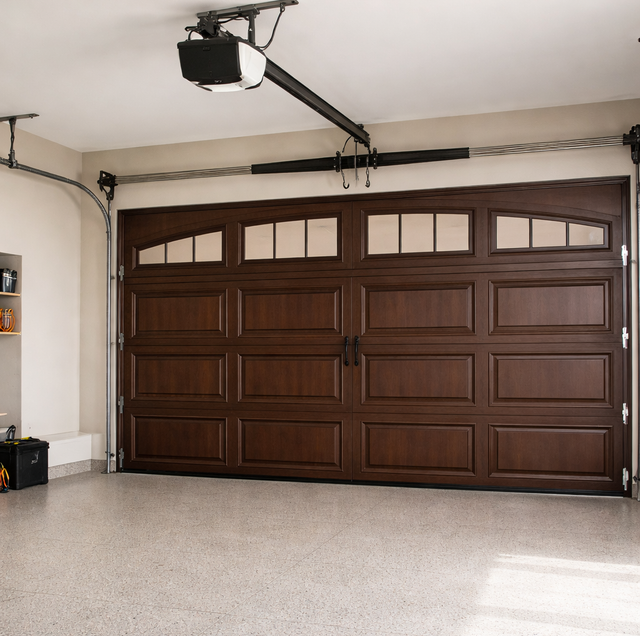
Quick Answer: Choose a new garage door by settling six things in order: material (steel is the durable low-maintenance default; aluminum, wood, and composite serve specific needs), insulation and construction (single-layer, double-layer, or triple-layer with an R-value), panel gauge, windows and privacy, hardware and spring cycle-life, and finally the style that matches your home. Match the finished door to the correct spring and a strong enough opener, and have it professionally measured and balanced.
Replacing a garage door is one of those projects most people tackle once every 20 or 30 years, so it makes sense that the choices feel unfamiliar. A door is the largest moving object in a house and often the biggest single element on the front elevation, which means the decision touches curb appeal, daily comfort, energy use, and safety all at once. Getting it right is less about picking a favorite look and more about understanding a handful of tradeoffs, then letting the answers guide the style. The sections below walk through the decisions in the order they actually matter, so you can arrive at a shortlist that fits your home rather than a showroom catalog.
Start With the Material
Material sets almost everything downstream: weight, maintenance, insulation options, and how the door ages. Four families cover the vast majority of residential doors.
Steel is the common default, and for good reason. It resists warping, holds paint and factory finishes well, and asks very little of the owner beyond an occasional wash. Steel doors come in a wide range of panel profiles and can be embossed to mimic wood grain, so the low-maintenance choice no longer means a plain flat slab. Its main vulnerability is denting, and bare steel can rust at scratches if the finish is broken, so coastal or high-humidity homes benefit from a good galvanized coating.
Aluminum is the lightweight option. Because the frames are light, aluminum pairs well with large glass panels for a modern, semi-transparent look, and it will not rust. The trade is that aluminum dents more easily than steel and insulates poorly on its own, so it tends to suit contemporary designs where glass and frame lines are the point.
Wood delivers a warmth and depth of grain that manufactured materials only imitate. Real wood carriage-house and custom doors are the premium look. The cost is upkeep: wood expands and contracts with moisture, needs refinishing or repainting on a cycle, and is heavier, which stresses hardware. A wood door rewards an owner who wants character and accepts the maintenance calendar that comes with it.
Composite and fiberglass aim to split the difference. Composite (often a wood-fiber or wood-composite overlay on an insulated core) gives the look of wood with far less upkeep and no rot. Fiberglass resists dents and corrosion and can be molded with realistic grain, though it can fade over many years of strong sun and becomes brittle in extreme cold. These materials are a sensible middle path when the wood aesthetic matters but the refinishing schedule does not appeal.
Understand Insulation and Construction
Insulation is where the biggest comfort decision hides, and it is tied directly to how the door is built. Construction generally falls into three tiers.
Single-layer doors are one skin of material with no insulation. They are the lightest and least expensive to build, and they are fine for a detached garage you never heat or cool.
Double-layer doors add a layer of insulation, usually polystyrene, bonded to the back of the panel. They insulate meaningfully and are quieter than a single skin.
Triple-layer doors sandwich insulation (often polyurethane, which is denser and fills the panel more completely) between two skins of material. These are the most rigid, the quietest, and the best insulated.
Insulation is measured as an R-value: the higher the number, the more the door resists heat transfer. This matters most for an attached garage, especially one that shares a wall or ceiling with living space or serves as the main entry into the house. A well-insulated door works in both directions, slowing heat from moving out in cold weather and slowing it from moving in during warm weather, so the benefit is truly year-round rather than seasonal. There is a bonus most buyers do not expect: the same layered construction that raises R-value also makes the door far quieter and less prone to rattling, which is a real quality-of-life upgrade when a bedroom sits above or beside the garage.
The tradeoff is weight and cost. A triple-layer insulated door is heavier and pricier than a bare single-layer panel, and that added weight has consequences for hardware and the opener, covered further down.
Check the Gauge and Panel Thickness
On steel doors especially, gauge describes the thickness of the steel, and lower numbers mean thicker metal. A 24-gauge door is more substantial and dent-resistant than a 27- or 28-gauge door. Thicker steel costs more and adds weight, but it holds up better to daily contact, wind pressure, and the odd bump from a bike or ball. Thinking about gauge the way you would think about the difference between a flimsy cookie sheet and a heavy restaurant pan makes the choice concrete: both cook, but one keeps its shape for decades. If the garage faces a busy driveway or a play area, the thicker panel earns its keep.
Decide on Windows and Privacy
Windows change both the look and the light. A row of glass across the top section brings daylight into a garage that would otherwise be a dark box, and it can make a plain door look finished. The considerations are privacy, security, and energy.
For privacy, frosted, obscure, or tinted glass lets light in without giving passersby a view of what is parked or stored inside. For security, insulated or impact-rated glazing and smaller pane sizes are harder to break through than a single large clear pane near the lock. For energy, glass is always a weaker insulator than a solid panel, so more glass means a lower effective R-value for the door as a whole. Windows are worth having for many homes; the point is to choose the glass type deliberately rather than defaulting to clear.
Weigh the Hardware and Spring Cycle-Life
The parts you never see determine how long the door keeps working smoothly. The springs do the heavy lifting, counterbalancing the door's weight so the opener (or your arm) only has to overcome friction. Springs are rated in cycles, where one cycle is a single up-and-down.
If your garage is the main entrance and the door opens several times a day, stepping up to a higher cycle-life spring, rated at 20,000 cycles or more instead of a builder-grade 10,000, can add years before replacement.
Hinges, rollers, and tracks matter too. Nylon-lined or sealed-bearing rollers run quieter and last longer than basic steel rollers, and heavier doors call for sturdier hinges and thicker track. This is also the place where safety becomes non-negotiable. A new door must be matched to the correct spring for its specific weight, and spring installation is high-tension work that belongs to a trained professional, not a weekend project. Getting the balance right is what keeps the door from slamming or drifting, and it is verified by professional measurement and installation.
Match the Style, Then the Opener
With the functional decisions settled, style is the enjoyable part, and it should follow the house rather than fight it. A few pairings tend to work: traditional raised-panel doors suit most conventional homes; carriage-house designs, with their side-hinge look and optional decorative handles, complement craftsman and farmhouse elevations; and clean flush or full-glass doors belong on modern architecture. Color should relate to the trim, front door, or roof rather than stand alone, and the panel profile should echo the scale of the facade so the door reads as part of the house.
One practical thread ties style back to function: the heavier the door you have chosen, the more the opener has to move. A well-insulated triple-layer door, a thick-gauge steel door, or a solid wood door may need a stronger opener (often a belt-drive unit sized for the load) rather than a light chain-drive built for a bare single-layer panel. Whatever the opener, its auto-reverse safety features, the photo-eye sensors near the floor, and the force settings must be set up and tested correctly so the door reverses if something is in its path. That final check is part of a professional installation, and it is the difference between a door that simply opens and one that opens safely for years.
Working through these six decisions in order (material, insulation, gauge, windows, hardware, style) turns an overwhelming showroom into a short, confident list. Settle the function first and the good-looking options that remain will already fit your home, your comfort, and your budget.
Frequently Asked Questions
A quality residential door typically lasts 20 to 30 years, but that number hides two separate clocks. The panels and finish often outlast the moving parts; springs and rollers are the first to wear because they cycle constantly. Owners who replace springs on schedule and keep rollers and hinges lubricated frequently reach the upper end of that range, while a neglected door on a high-traffic garage can need major service in under 15 years.
Yes, retrofit insulation kits with rigid foam panels or reflective batting can be fitted into the back of an existing single-layer steel door. The catch rarely mentioned upfront: adding weight to a door that was never balanced for it throws off the spring tension, so the springs may need re-rating afterward to keep the door balanced and the opener within its load limit. A retrofit improves R-value and noise somewhat but does not match the rigidity or seal of a factory triple-layer door.
Standard single-car doors are commonly 8 or 9 feet wide and double-car doors 16 feet wide, with 7 feet the usual height, though 8-foot heights are increasingly ordered for taller vehicles. Panel thickness runs from about 1-3/8 inches on basic doors to 2 inches or more on premium insulated models, and the thicker the panel, the more room it has for a higher R-value core. Precise opening measurements should be taken professionally, because headroom and side-room clearances also dictate which spring and track system will fit.
They do, and the reason is structural rather than acoustic padding. A double- or triple-layer door is more rigid, so its panels flex and rattle far less as the door travels, and the insulation core dampens vibration from the rollers and springs. Homes with a room directly above or beside the garage notice the difference most, and pairing an insulated door with nylon rollers and a belt-drive opener produces the quietest result.
Not automatically. A thick triple-layer steel door is excellent for an attached garage that borders living space, but on a detached, unconditioned garage it adds weight and cost without a comfort payoff. Extra weight also demands stronger springs and a more powerful opener, so the best fit comes down to how the space is used. Matching the door's weight to the correct hardware matters more than simply buying the heaviest option.
Most manufacturers expect basic upkeep: lubricating rollers, hinges, and springs a couple of times a year, keeping tracks clear of debris, and not painting over or altering factory finishes in ways the warranty excludes. Wood and some composite doors have refinishing requirements that, if skipped, can void finish coverage. Keeping a record of professional service visits also helps if a warranty claim ever arises, since improper installation or unbalanced springs are common reasons a claim is denied.
Ready to pick the right door with confidence — get expert guidance and a precise professional measurement before you buy. Squared Away Garage Door Service serves Cedar Park and Central Texas, whether that ends in a straightforward garage door installation in Leander or a set of custom and designer garage doors drawn up around your elevation. Call (512) 456-3781.
